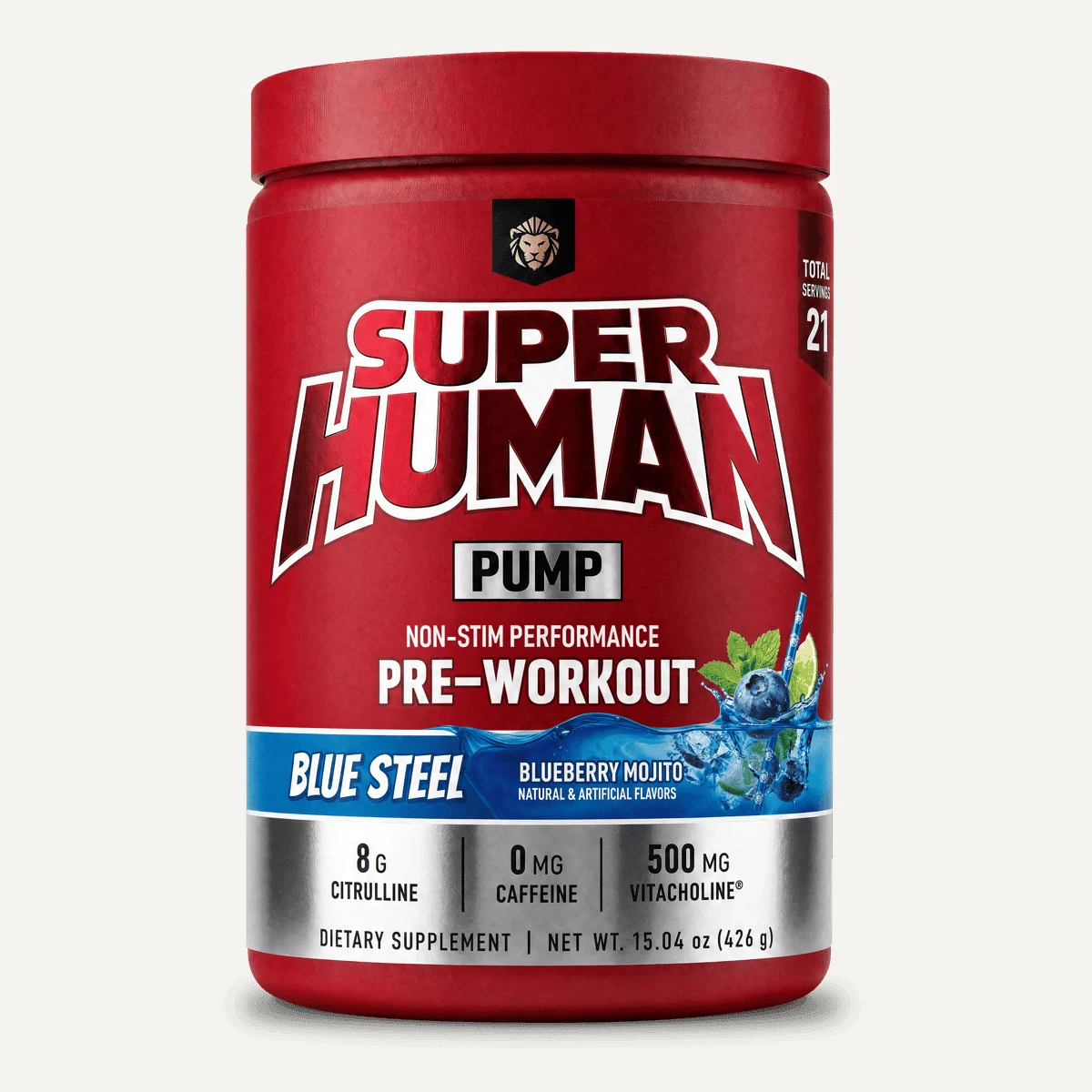
Make a simple comparison sheet
For each exact product, record its full name, flavor, container size, labeled serving size and servings per container. Add the date checked and a link to the official listing. Leave any unreadable value blank and ask the manufacturer; a missing number should not become a guess.
Separate scoop from serving
A scoop is a measuring tool supplied with a product. Check what the label defines as a serving and do not assume scoops from different containers are equivalent. Record the labeled amount without converting the sheet into a recommendation to consume that amount. Follow the specific warnings and seek individual advice when needed.
Make caffeine a separate column
Write down the disclosed caffeine amount and its reference serving, or the product’s caffeine-free designation. Do not multiply a guessed value from a review. For the Pump formula, see our caffeine-label guide. This comparison is about accurate information, not choosing the strongest formula.
Look for duplicate ingredients
Place the ingredient lists beside any other supplements you already use. Mark repeated ingredients as questions to discuss with a pharmacist or clinician. Do not infer that combining products is appropriate because they have different names or are sold in a bundle. A company’s stack suggestion does not account for your medical history or medicines.
Compare cost only after suitability
Divide the current container price by the labeled number of servings for a consistent shopping comparison, and note shipping or subscription terms separately. A lower cost does not establish that a supplement is needed or suitable. Keep the completed sheet with the original labels; it is a shopping record, not a dosing plan.
Sources & further reading
Sources checked November 18, 2026. Follow the care or safety instructions supplied with your specific product.